Chinese massage in Wimbledon
Chinese massage in Wimbledon follows the Tui Na style, a form of bodywork from China built on brisk kneading, rolling and pressing. Alongside the broader work, the therapist presses on specific acupressure points, often around the neck, shoulders and back. It is energetic and usually firm, and it feels quite different from a slow oil massage.
What happens during your massage
Say where you want the focus
Chinese massage often concentrates on one or two areas. Tell us whether it is your neck, shoulders, back or legs, and whether you would rather stay clothed or have oil.
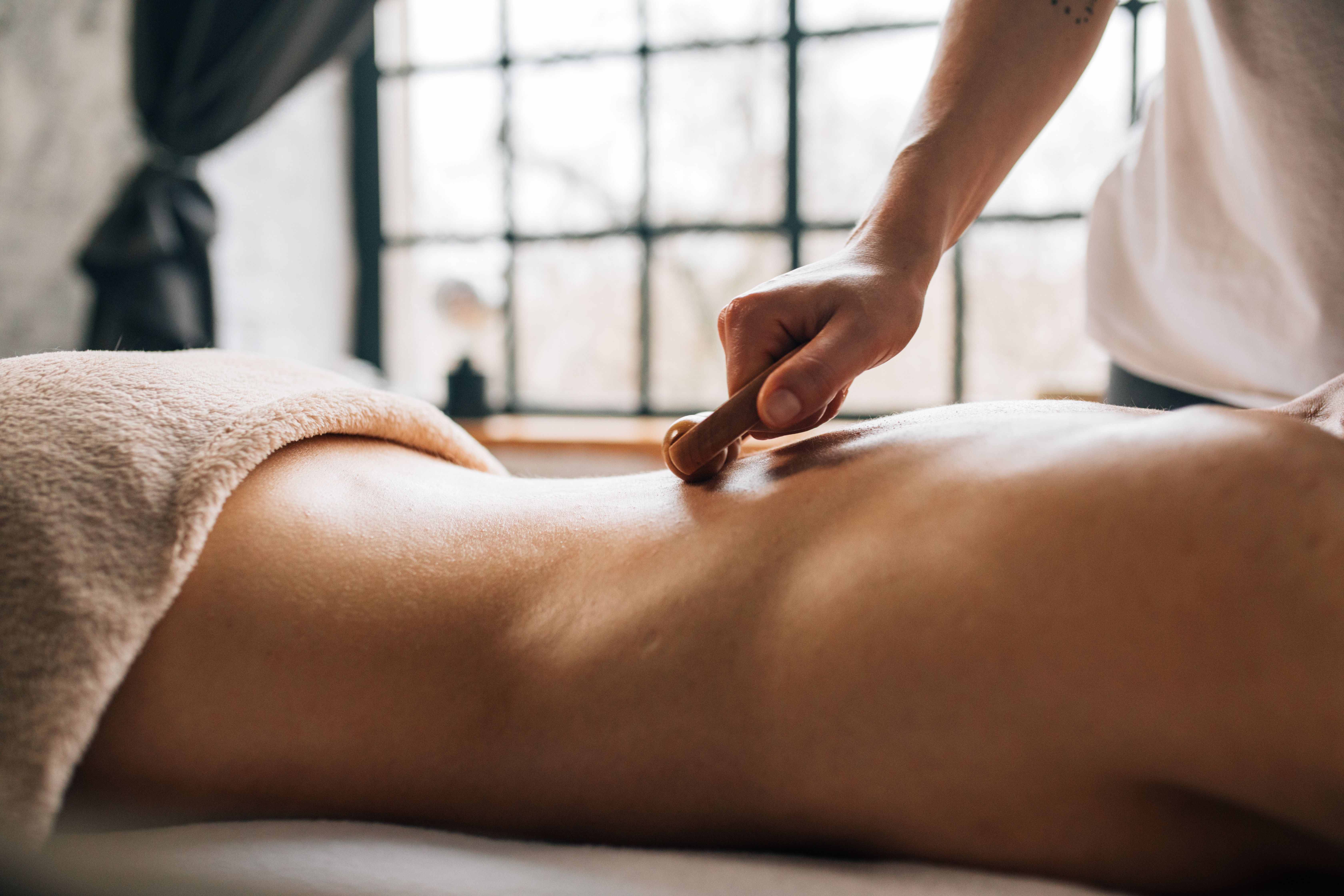
Rolling and kneading
The therapist uses the back of the hand in a rolling motion, along with grasping and squeezing. Compared with most Western styles it feels quick and rhythmic.
Acupressure points
Thumbs and fingertips press and hold particular points, often at the base of the skull, across the shoulders and beside the spine. These spots can feel tender for a moment.
Tapping and finish
Many sessions end with brisk tapping or a gentle shake of the arms and legs, followed by a few calmer strokes before you sit up.
What Tui Na style massage involves
Tui Na roughly translates as push and grasp, which gives a fair picture of the session. Instead of long gliding strokes, the work is made up of short, varied movements: rolling with the back of the hand, squeezing the muscle between thumb and fingers, pressing with the heel of the palm. The pace is brisk and the pressure is usually firm.
It can be given through clothing or a thin sheet, which is the traditional way, or with oil on the skin. Tell us your preference when you enquire. If you want to stay dressed, wear something soft and loose that lets the therapist feel the muscle underneath.
About acupressure points
In Chinese tradition the body has many named points, and pressing them is a central part of this style. The therapist finds each point with a thumb and holds firm pressure for a few seconds. Familiar ones sit in the hollow at the base of the skull, in the web between thumb and finger, and along the tops of the shoulders.
Pressing a point can feel tender, sometimes with a dull ache that spreads a little way. That sensation usually fades as soon as the pressure lifts. We describe acupressure here simply as part of the massage. No needles are used, and it is not offered as a medical treatment for any condition.
Chinese massage or Thai massage?
People often weigh these two up, because both are firm and both can be done clothed. Thai massage leans on long assisted stretches and slow palm pressure, moving you into different positions. Chinese massage keeps you mostly still while the hands stay busy, with quicker kneading and more time on individual points.
If you want to feel stretched and loosened through the hips and legs, Thai is likely the better fit. If your tension sits in the neck, shoulders and upper back and you want it worked hard and quickly, Chinese massage is often the one people go for. In both, you can ask for lighter pressure at any time.
Chinese massage prices
A typical guide for Wimbledon. We confirm your exact price when we reply.
Chinese massage questions
What is Chinese massage?
Chinese massage is a firm, brisk style of bodywork based on Tui Na. It combines rolling, kneading and squeezing of the muscles with pressure on acupressure points. It can be given through clothing or with oil, and often focuses on the neck, shoulders and back.
Is Chinese massage painful?
It is often firm, and acupressure points can feel tender while they are being pressed. It should not hurt in a sharp way. Tell the therapist if it is too much, and the pressure will be reduced straight away.
Do I need to undress for Chinese massage?
Not necessarily. Traditional Tui Na style massage is given through loose clothing or a sheet. If you would prefer oil on the skin, you undress to your comfort level and stay covered by a towel except where the therapist is working.
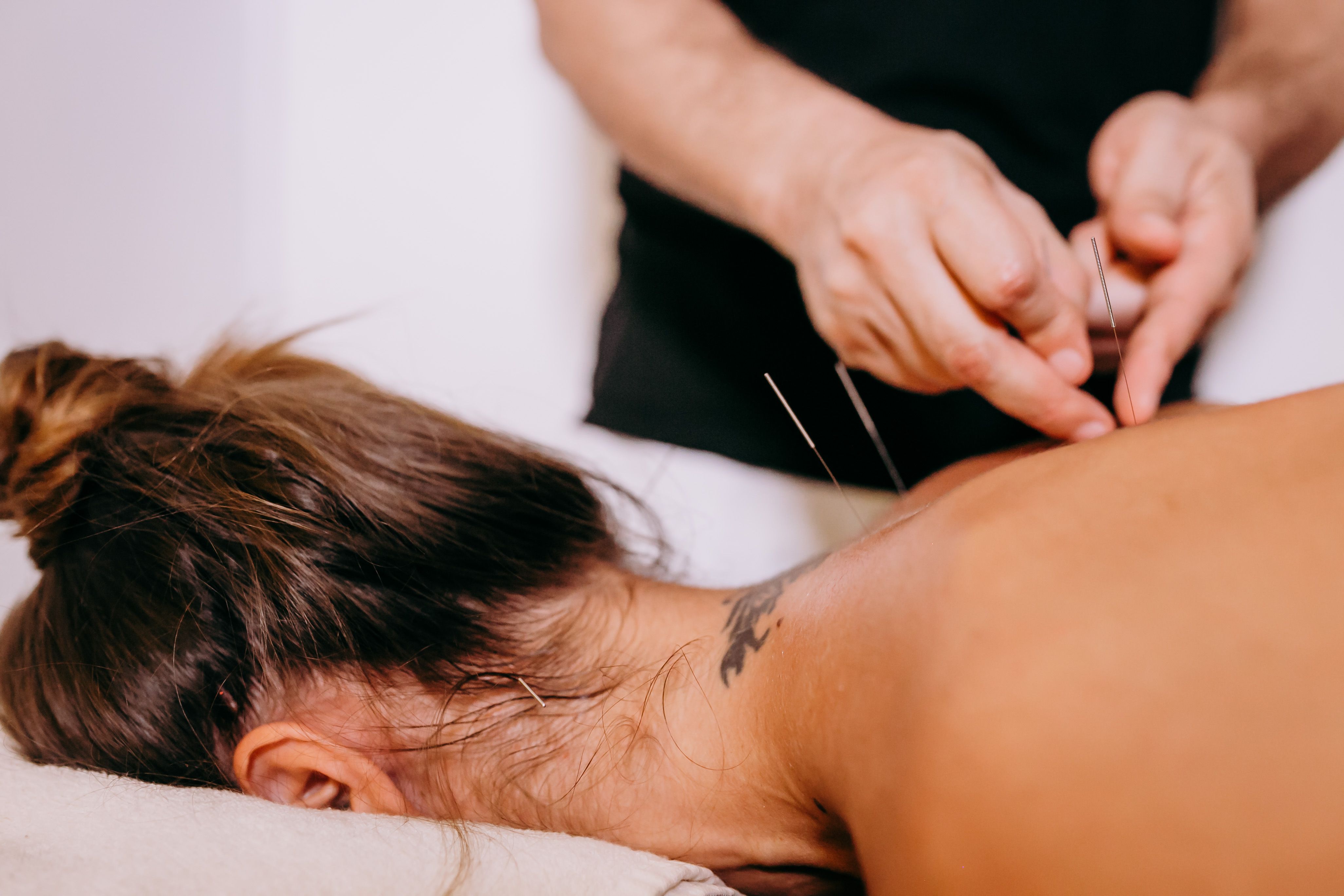
Is Chinese massage the same as acupuncture?
No. Acupuncture uses fine needles. Chinese massage uses only the hands, pressing some of the same named points with the thumbs and fingertips. No needles are involved at any stage of the session.
How long should a Chinese massage be?
A 30 minute session works well for focused neck and shoulder work. With 45 or 60 minutes the therapist can cover the back and legs too. Choose 90 minutes for the whole body at a steady pace, with time for points on the hands and feet.
You may also like
All treatments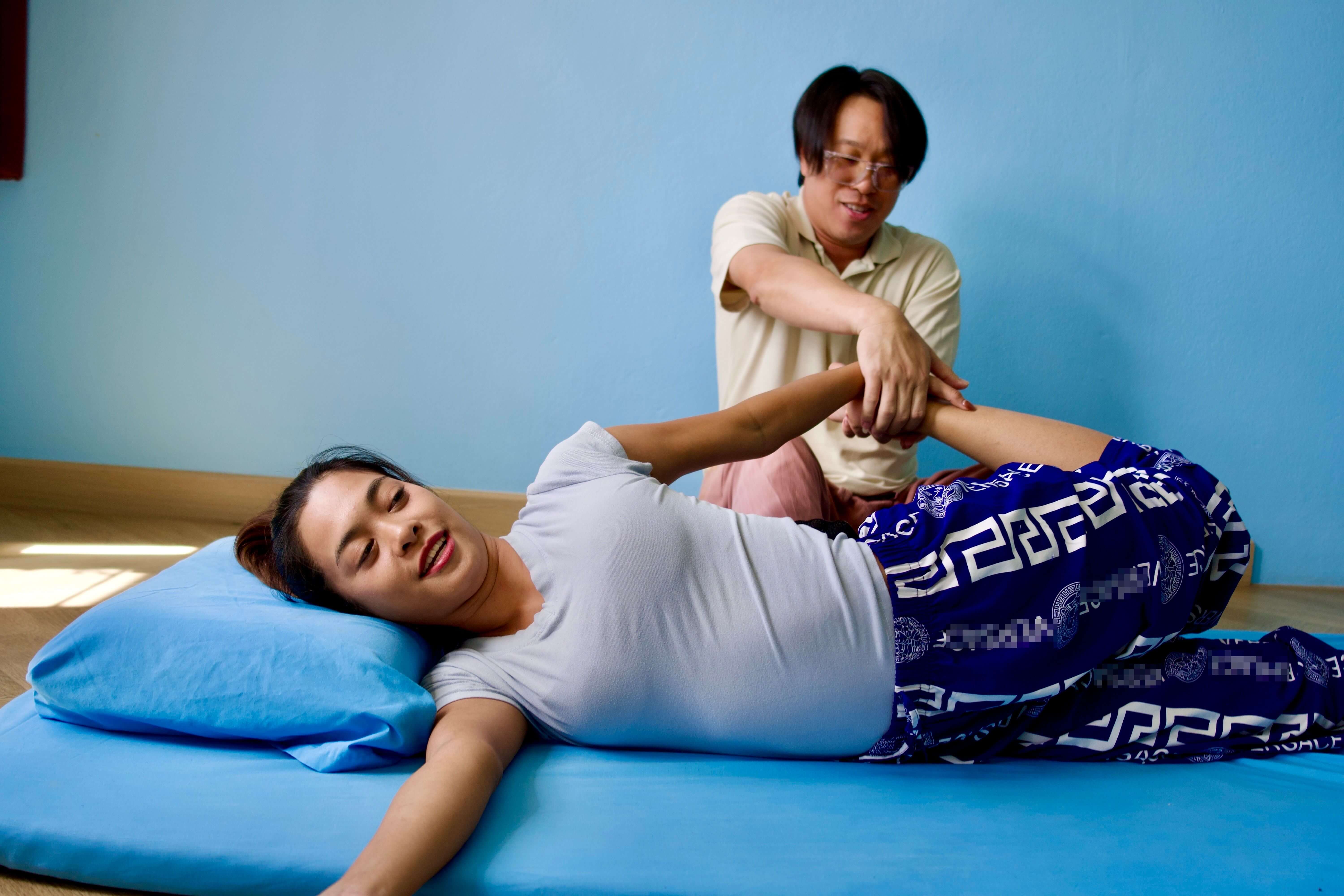
Thai massage
Assisted stretches and rhythmic palm pressure, given fully clothed
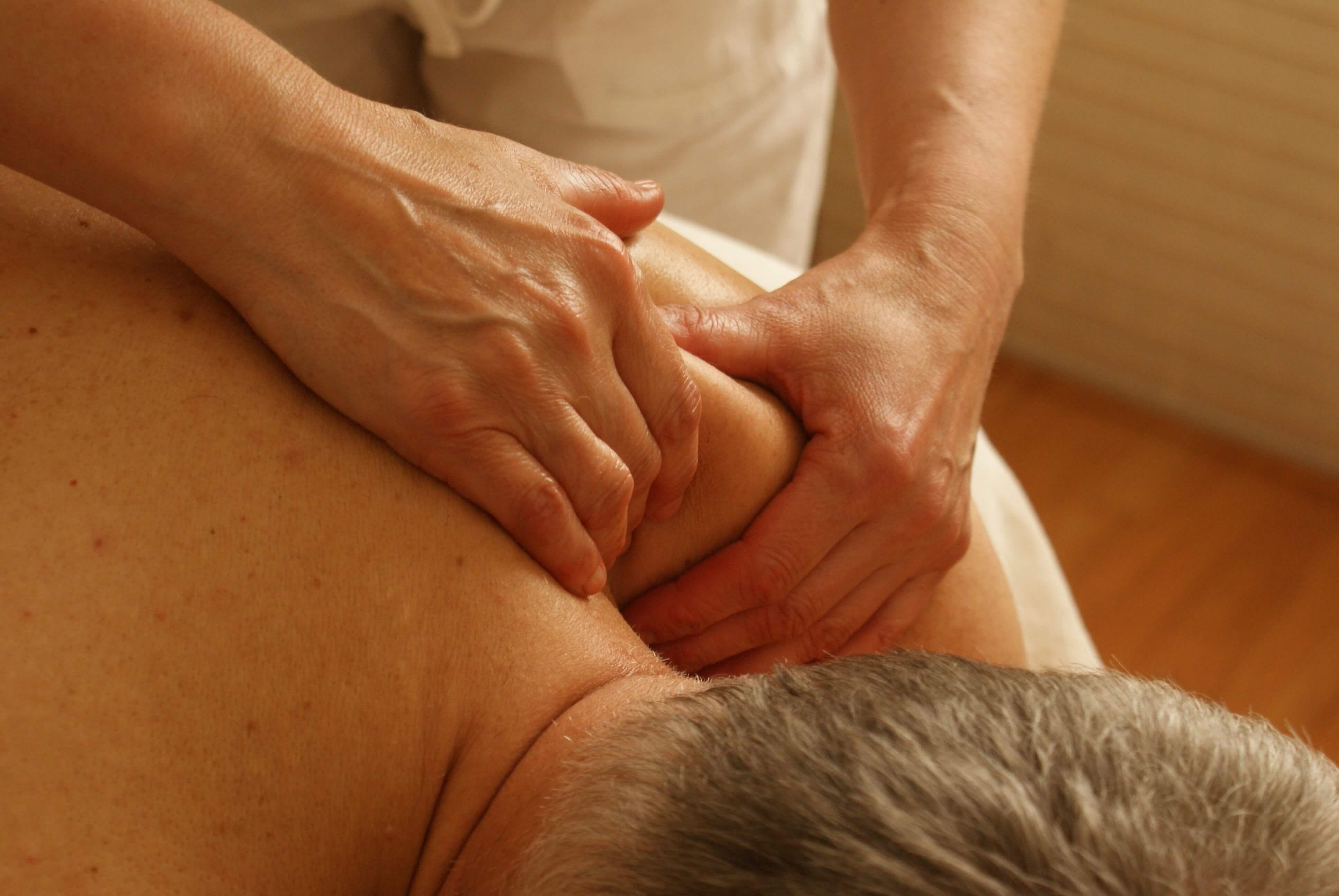
Deep tissue massage
Slow, firm work into tight shoulders, neck and lower back
Reflexology
Focused pressure on the feet, with your shoes and socks off and nothing else
Sports massage
Firm, targeted work planned around your training and your sport
Book your Chinese massage
Tell us what you would like and when. It takes under a minute.